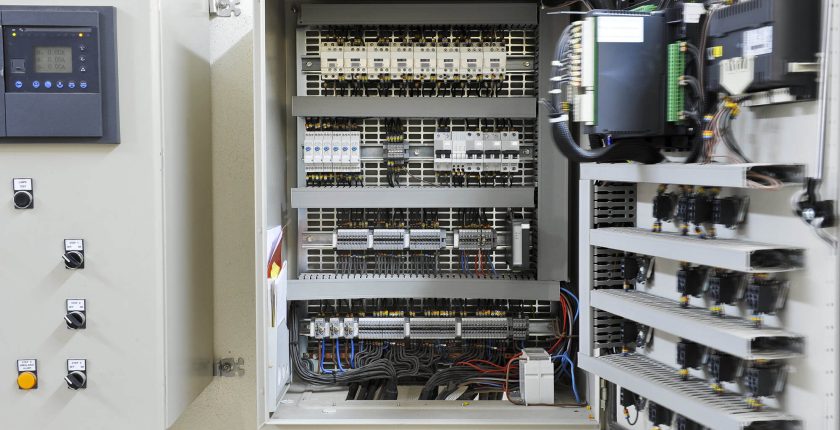
Best PLC Automation Internship with Industrial Training #1
PLC Automation Internship: Why PLC Automation Skills Are in High Demand
PLC Automation Internship programs have become essential in today’s fast-paced industrial world, where automation is no longer a luxury—it is a necessity. From manufacturing plants and power stations to food processing units and smart factories, automation plays a critical role in improving efficiency, safety, consistency, and cost optimization. At the core of this industrial transformation lies one powerful technology: PLC (Programmable Logic Controller).
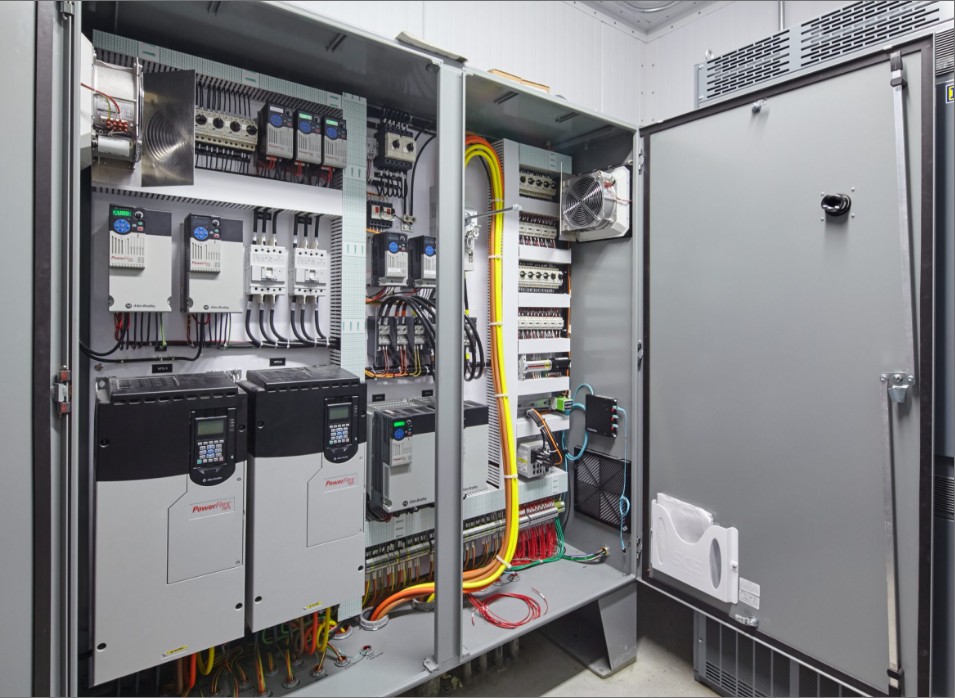
Industries across the globe are actively seeking engineers and technicians who can design, program, troubleshoot, and maintain PLC-based automation systems. However, many students and fresh graduates face a common challenge—despite holding degrees or diplomas, they often lack real-world industrial exposure and practical skills required by employers.
This growing gap between academic knowledge and actual industry requirements is the main reason why a job-oriented PLC Automation Internship has become so important. Such internships are specifically designed to transform learners into industry-ready professionals by emphasizing hands-on training, real-time industrial projects, and job-focused skill development.
What Is a Job-Oriented PLC Automation Internship?
A job-oriented PLC Automation Internship is a structured industrial training program that focuses on practical implementation rather than just theoretical concepts. Unlike traditional classroom-based learning, this type of internship replicates real industrial environments, allowing interns to gain experience by working directly on automation systems and live projects.
Key Characteristics of a PLC Automation Internship
- Hands-on PLC programming and logic development
- Real industrial case studies and automation scenarios
- Exposure to sensors, control panels, and automation hardware
- Strong focus on employability and job readiness
- Industry-aligned and updated curriculum
The ultimate goal of a PLC Automation Internship is not just to teach PLC concepts but to prepare candidates for real job roles in industrial automation, control systems, and smart manufacturing environments.
Why Traditional Education Is Not Enough for PLC Automation Jobs

Engineering and diploma programs usually focus heavily on theoretical concepts, with limited lab exposure. While theory is important, industrial automation demands:
- Practical troubleshooting skills
- Understanding of plant operations
- Experience with real control panels
- Knowledge of safety standards
- Confidence in handling live systems
Recruiters often reject candidates who cannot demonstrate hands-on PLC experience. This is why employers prefer candidates who have completed job-oriented internships rather than those with only academic knowledge.
Importance of Job-Oriented Training in Industrial Automation
A job-oriented approach ensures that interns learn what industries actually use, not outdated or purely academic content.
Benefits of Job-Oriented PLC Training:
- Exposure to real industrial workflows
- Better understanding of automation logic
- Ability to handle field-level challenges
- Faster adaptation to job roles
- Higher chances of placement
Such training transforms students from learners into contributors.
Core Technologies Covered in PLC Automation Internships
A comprehensive job-oriented PLC automation internship covers multiple technologies that work together in industrial systems.

1. Basics of Industrial Automation
- Automation levels
- Open-loop and closed-loop control systems
- Industrial safety concepts
2. PLC Fundamentals
- PLC architecture and components
- Input and output modules
- Power supply and CPU functions
3. PLC Programming
- Ladder Logic programming
- Function Block Diagrams (FBD)
- Instruction List concepts
- Timers, counters, and comparators
4. Electrical Wiring & Panel Design
- Control panel wiring
- Industrial wiring standards
- Relay logic vs PLC logic
- Reading electrical schematics
5. Sensors and Actuators
- Proximity sensors
- Photoelectric sensors
- Temperature and pressure sensors
- Solenoid valves and motors
6. HMI (Human Machine Interface)
- HMI basics
- PLC-HMI communication
- Designing operator screens
- Alarm and status displays
7. Industrial Communication Protocols
- Modbus
- Profibus (introductory level)
- Ethernet-based communication
8. Troubleshooting & Maintenance
- Fault diagnosis
- Error handling
- Preventive maintenance techniques
Hands-On Industrial Projects: The Backbone of the Internship
The most valuable part of a job-oriented PLC automation internship is project-based learning.
Common Real-Time Projects:
- Conveyor belt automation system
- Automatic motor control using PLC
- Water level control system
- Bottle filling and packaging automation
- Industrial safety interlock systems
Each project teaches interns how to:
- Understand industrial requirements
- Design control logic
- Implement PLC programs
- Test and debug systems
These projects mirror real factory operations, giving interns confidence to work in industrial environments.
Live Simulation and Industrial Environment Exposure
Even when physical plant access is limited, job-oriented internships are used:
- Industrial-grade PLC trainers
- Simulation software
- Real wiring practices
This ensures interns understand how automation behaves in real time, not just on paper.
Role of Mentorship in PLC Automation Internships

Mentorship plays a critical role in transforming skills into expertise.
What Industry Mentors Provide:
- Practical insights from real projects
- Live demonstrations
- Troubleshooting strategies
- Career guidance
With expert mentorship, interns learn why things fail, not just how they work.
Internship Duration and Learning Structure
Job-oriented PLC automation internships are usually flexible.
Typical Duration Options:
- 1 Month – Basics and exposure
- 3 Months – Skill-building with projects
- 6 Months – Advanced training and job readiness
Each phase builds upon the previous one, ensuring gradual and solid skill development.
Certification and Experience Letter
Upon successful completion, interns typically receive:
- PLC Automation Internship Certificate
- Project completion certificate
- Experience or training letter
These documents add significant value to resumes, especially for freshers.
Who Should Enroll in a PLC Automation Internship?
This internship is suitable for:
- Electrical Engineering students
- Electronics & Instrumentation students
- Mechanical Engineering students
- Diploma holders
- Fresh graduates
- Working professionals switching to automation
No prior industrial experience is required. Basic electrical knowledge is usually sufficient.
Career Opportunities After Completing the Internship
A job-oriented PLC automation internship opens doors to multiple roles, such as:
- PLC Programmer
- Automation Engineer
- Control Systems Engineer
- Maintenance Engineer
- Industrial Technician
Automation professionals are required in:
- Manufacturing plants
- Power generation units
- Oil & gas industries
- Pharmaceuticals
- Food & beverage industries
Why Industries Prefer Internship-Trained Candidates
Companies value candidates who:
- Can work with minimal training
- Understand industrial safety
- Have hands-on troubleshooting experience
- Adapt quickly to plant environments
A job-oriented internship proves that a candidate is work-ready, not just qualified.
Difference Between Job-Oriented Internship and Short-Term Courses
Importance of Practical Skills Over Theory in Automation

In industrial automation:
- Machines don’t follow textbooks
- Real problems require real solutions
- Practical experience saves time and cost
This is why employers prioritize hands-on skills over academic grades.
How a Job-Oriented PLC Internship Builds Confidence
Interns gain confidence by:
- Writing PLC programs independently
- Debugging real-time errors
- Understanding industrial workflows
- Communicating with engineers
Confidence is often the deciding factor during interviews.
Long-Term Career Growth in PLC Automation
PLC automation is not a dead-end career. With experience, professionals can grow into:
- Senior Automation Engineer
- Control System Designer
- Plant Automation Head
- Industrial Consultant
Automation skills also serve as a foundation for advanced fields like SCADA, DCS, and Industry 4.0.
Final Thoughts
A job-oriented PLC automation internship is one of the most effective ways to enter the industrial automation field with confidence and competence. It bridges the critical gap between education and employment by emphasizing hands-on learning, real projects, and industry expectations.
For students and job seekers who want a stable, high-demand, and technically rewarding career, investing in a job-oriented PLC automation internship is a smart and future-proof decision.
In a world driven by automation, those who can control machines will always be in demand.